
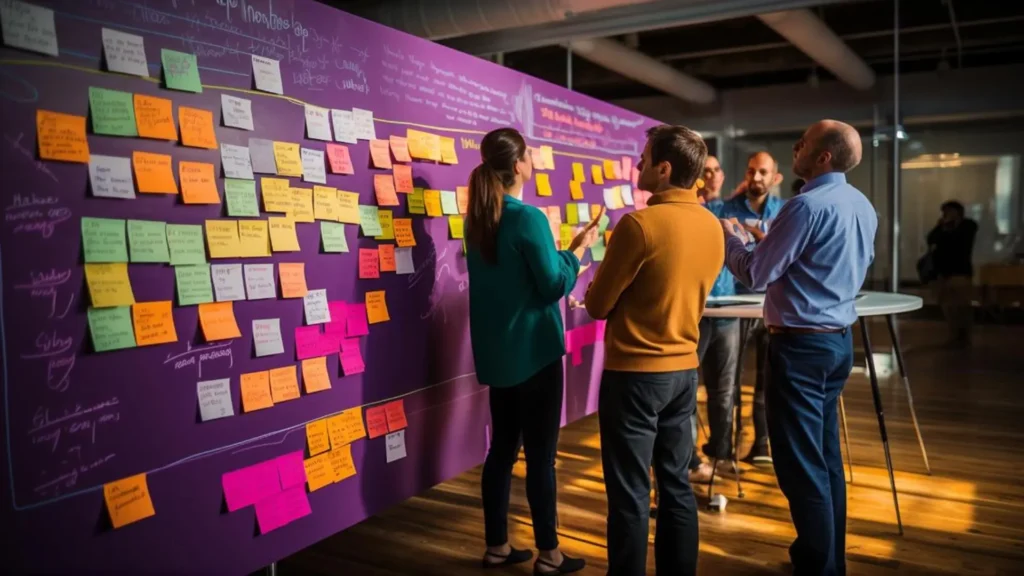
Building a startup is like navigating uncharted waters—it’s thrilling, challenging, and full of possibilities. But without the right framework, even the most promising ideas can lose their way. That’s where the PSP Framework: Problem-Solution-Purpose comes in.
It’s a simple, actionable, and human-centric approach to taking your startup from idea to impact.

What is Problem Solution Purpose Framework or PSP Framework?
The PSP Framework stands for Problem-Solution-Purpose – a streamlined, human-centered approach to building startups that solve real problems, deliver impactful solutions, and stay grounded in a meaningful purpose.
At its core, PSP is about prioritization:
- First, understand the problem you’re solving.
- Next, design the solution that addresses it.
- Finally, align everything with a clear purpose that drives long-term success.
The framework is a fusion of practicality and strategy, designed to help founders, business champions, and startup teams focus on what truly matters. It breaks the chaos of entrepreneurship into three actionable phases, ensuring every step is rooted in user needs, innovation, and measurable impact.
Whether you’re building your MVP, pitching to investors, or scaling operations, PSP helps you stay focused, iterate smarter, and deliver results that matter.
Let’s dive into the PSP Framework and break it down step by step.
Why PSP?
In the chaos of building a startup, it’s easy to get stuck chasing shiny ideas or overbuilding features nobody asked for. PSP helps you focus on three critical questions:
- What problem are we solving?
- How will we solve it?
- Why are we doing this?
By answering these questions in this sequence, you’ll eliminate guesswork, minimize wasted effort, and maximize the impact of your solutions.
Phase 1: Problem – What problem are we solving?
Every successful startup begins with a problem. The deeper you understand the pain points of your target audience, the stronger your foundation.
Key Steps:
- Define Your ICP (Ideal Customer Profile): Who are you solving this problem for? Is it busy parents? Freelancers? Early adopters in tech? Understanding your audience isn’t optional—it’s the first step to everything else.
- Conduct User Research: Talk to your potential users. Observe their behavior. Listen to their frustrations. These insights will be the building blocks of your startup.
- Pinpoint Key Problems: After collecting user data, identify recurring pain points. Ask yourself: What’s the real issue? Why does it matter?
- Validate Needs: Before moving forward, test your findings. Speak to more users, run surveys, and confirm that solving this problem is worth the effort.
Phase 2: Solution – How will we solve it?
Now that you know the problem, it’s time to create solutions. But here’s the catch: don’t try to hit perfection on day one. Start small, test early, and iterate often.
Key Steps:
- Ideate Solutions: Brainstorm, innovate, and list every possible solution. Encourage crazy ideas because sometimes the best solutions come from the most unexpected places.
- Build Prototypes: Instead of building a complete product, focus on creating a simple, testable version of your solution. It could be a clickable prototype, a landing page, or even a storyboard.
- Test, Iterate, and Plan: Get feedback on your prototype. Is it solving the problem? Is it easy to use? Based on user feedback, refine your solution and plan the roadmap for the next steps.
Phase 3: Purpose – Why are we doing this?
This is the soul of your startup. Purpose connects your solution with the “why” behind it, ensuring that your work is meaningful and aligned with your vision.
Key Steps:
- Define Vision & Goals: What’s the long-term vision for your startup? How do you see it impacting the world? Write it down—it’s your North Star.
- Align with Market Opportunity: Does your purpose address a real gap in the market? If yes, double down. If no, pivot and recalibrate.
- Set Success Metrics: How will you measure success? These metrics could be revenue, user retention, customer satisfaction, or something else entirely. Be clear, be focused.
Core Principles of PSP
- Start with the Problem: If you’re not solving a meaningful problem, no amount of marketing or funding can save your startup.
- Iterate on Solutions: Embrace failure as a step forward. Every iteration brings you closer to the right solution.
- Purposeful Impact: A startup driven by purpose doesn’t just survive—it thrives. Purpose keeps you motivated when things get tough and inspires others to join your mission.
Why PSP Works
The PSP Framework simplifies complexity without oversimplifying the process. It’s practical, human-centric, and built for the real world. Here’s why it works:
- It keeps you focused: You always know what to prioritize—problem, solution, or purpose.
- It’s iterative: It encourages learning from failures and improving continuously.
- It’s scalable: Whether you’re building a local service or a global product, PSP adapts to your needs.
Final Thoughts
The startup journey is never a straight line, but with the PSP Framework, you have a map to navigate the twists and turns. It’s not just about building a product or chasing funding—it’s about solving real problems, creating purposeful solutions, and leaving a meaningful impact.
If you’re a founder, co-founder, or startup enthusiast, I’d love to hear your thoughts. What’s your biggest challenge in the startup ecosystem? Let’s start a conversation in the comments.
And remember: The best startups don’t just chase opportunities—they create purpose.